History
The Department of Astronomy was born in 1760 with the foundation of the Regius Chair of Astronomy. The history of the University’s Observatories is summarised below and the University Library holds a special collection of works on the history of astronomy and professors at Glasgow.
For more detailed information about the history of the observatories, and astronomy at Glasgow, see:
- Glasgow and the Heavens, Vistas in Astronomy, 36, 389-407 (1993) by Professor Archie Roy.
- Reflections on the Astronomy of Glasgow: A story of some 500 years, Edinburgh University Press (2013) by Dr David Clarke.
The first Observatory
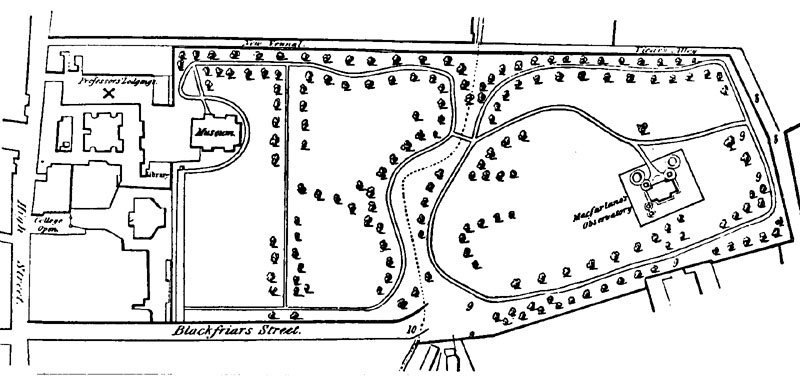
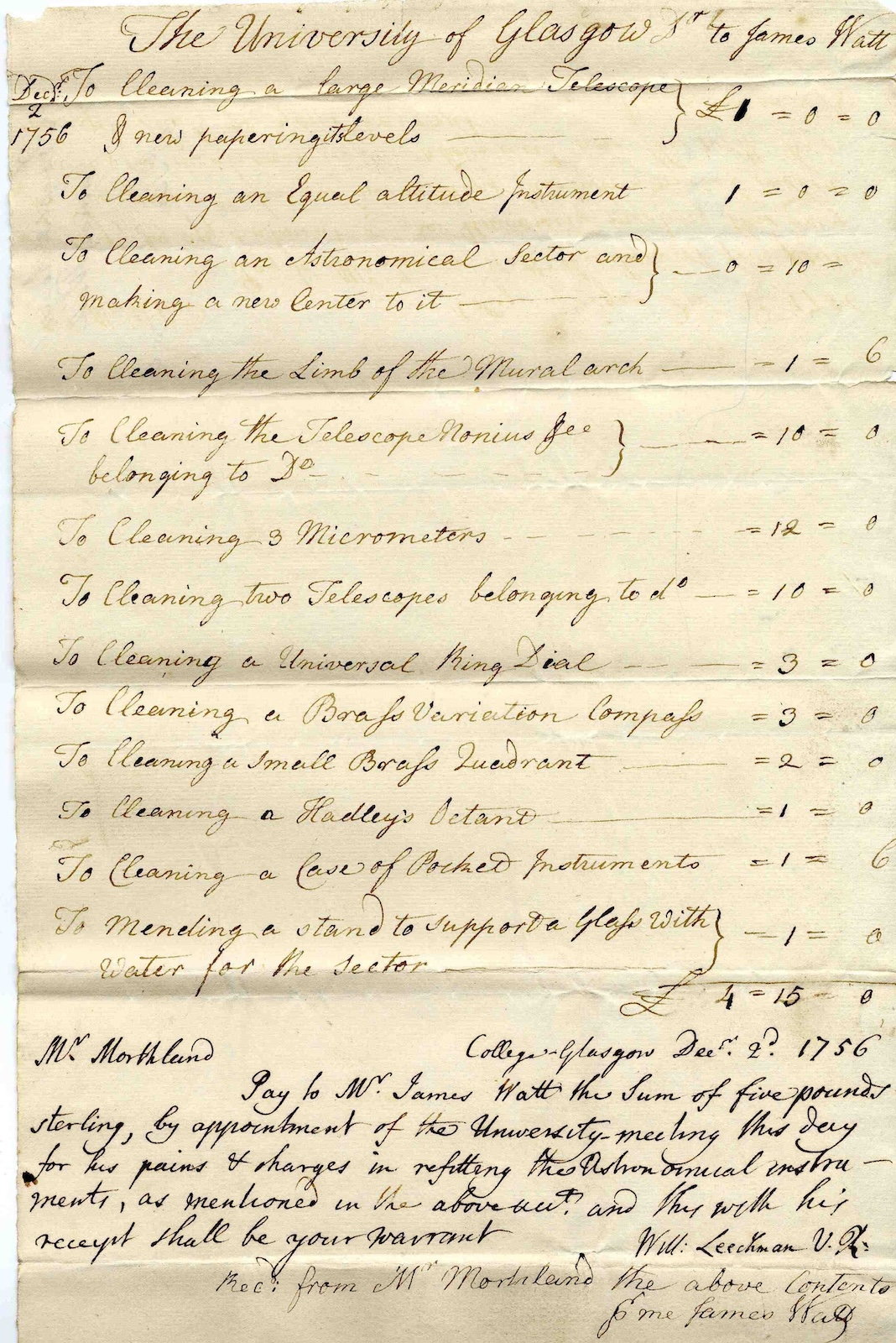
The Macfarlane Observatory, was situated in the former University grounds in the High Street adjoining the Physics Garden. Alexander Macfarlane, a merchant in Jamaica, had bequeathed his collection of astronomical instruments to the University. These were shipped to Glasgow and put into working order (image of the order here) by James Watt, then at the start of his career as instrument maker to the University.
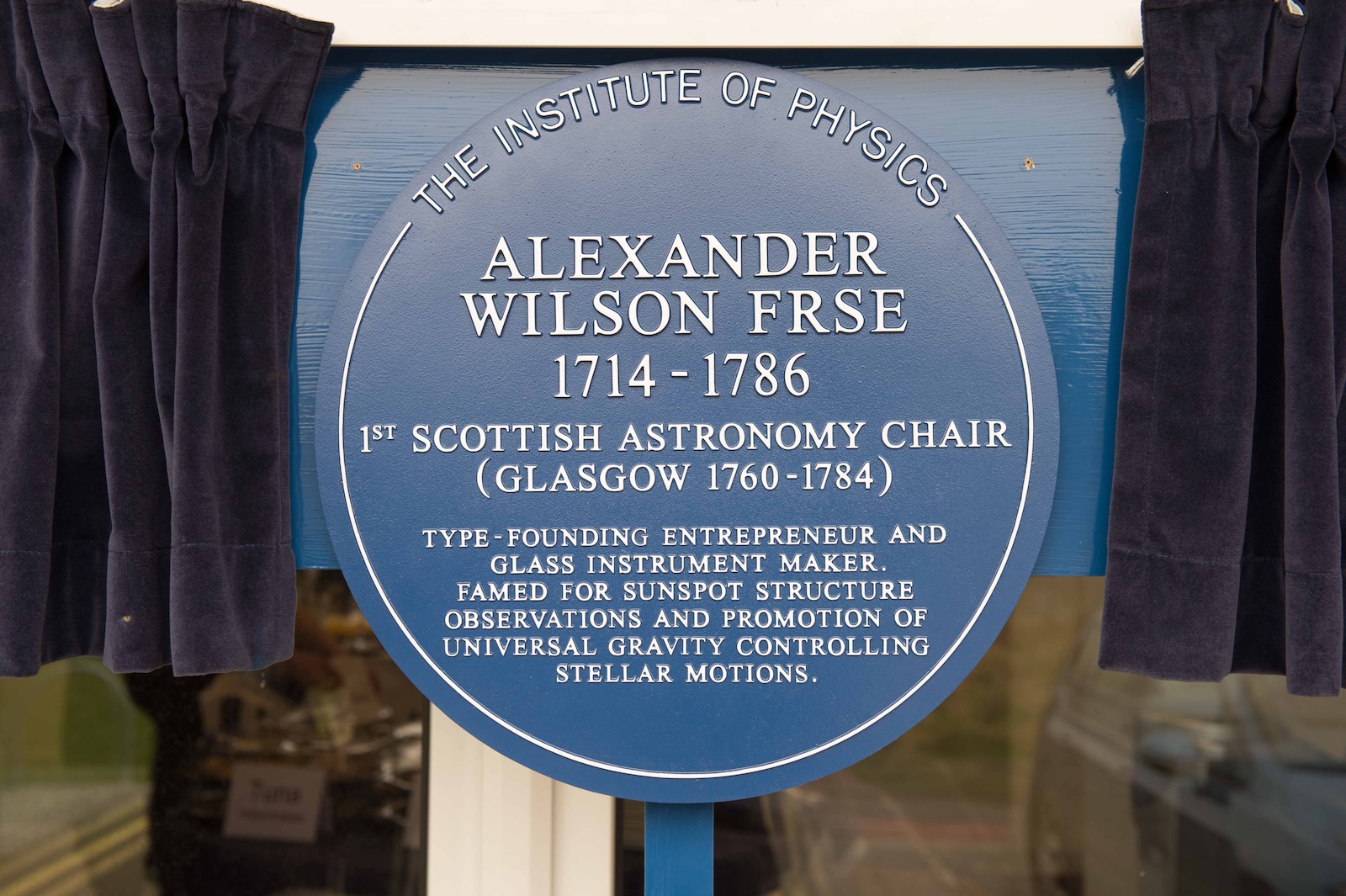
The foundation stone was laid on 17 August 1757 by the Professors accompanied by the Magistrates. Described as a quaint and picturesque building, it had a frontage of sixty feet. A plan appears on page 261 of “Memories of the Old College” by David Murray but there does not appear to be any extant illustration of the building itself. The equipment was added to from time to time and at one stage there was a telescope by William Herschel. The building of this first Observatory was the motivation for the appointment in 1760 of the first Professor of Practical Astronomy, Alexander Wilson (of sunspot fame).
During the early years of the 19th century the surroundings of the Observatory greatly altered. The volume of smoke increased and many tall buildings were erected, so that the usefulness of the site was diminished. The observatory was for a time within the British Rail yards at College Street station but the area is now covered by modern flats.
Move to Dowanhill
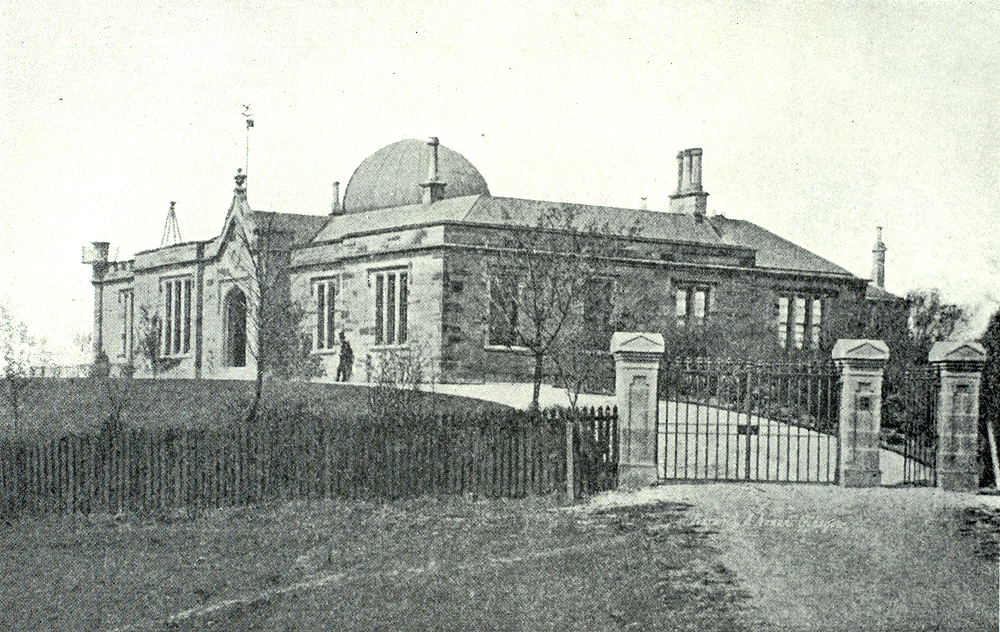
By 1836, after a series of exciting lectures by John Pringle Nichol, public enthusiasm was such that The Astronomical Institution of Glasgow was founded and the intention was to raise money by subscription for the erection of a new Observatory. A Treasury grant was also obtained and a site was obtained on Horselethill. The precaution was taken of obtaining a guarantee from the owners of the surrounding land that tall buildings would not be erected in the vicinity of the Observatory. The building was duly completed and Professor Nichol was appointed Observer in April 1841. About this time the Institution ran into financial difficulties and in 1843 the University agreed to take over the Observatory and pay off the debts. In 1845 the transaction was completed and the instruments in the old Observatory were transferred to Horselethill.
One of the key operations of the Observatory was a contract to provide the City with accurate time and to supply the Yorkhill Quay with a one o’clock time signal for the mariners to allow checking of their chronometers before leaving the Clyde. This was done by running a local clock within the Observatory from the passage of stars across the meridian and transmitting the daily signal along underground cable to the docks. For this purpose the Observatory developed its own catalogue of stars with accurate positions, the list becoming famous as the Glasgow Star Catalogue (1883).
A study of city maps between 1860 and the 1920s will reveal the expansion of new building as Glasgow grew westwards and once again this Observatory was found to be unsuitable. It was sold just before the Second World War by which time many of the instruments were out of date. The site is now occupied by Notre Dame High School.
The University Gardens Observatory
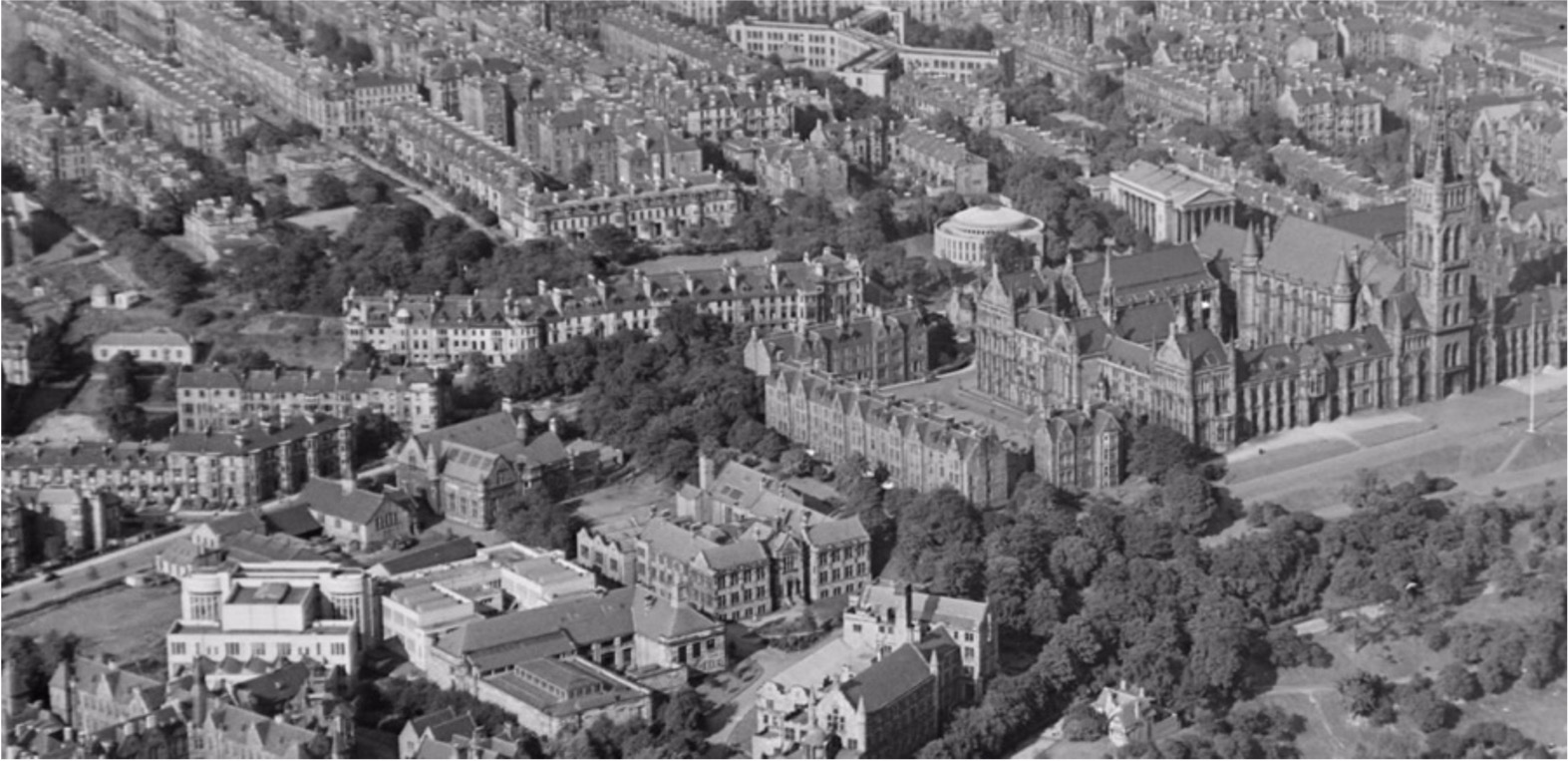
A new Observatory was erected in University Gardens and opened in 1939 by Sir Arthur Eddington, OM. This new observatory did not inherit the old instruments from the previous Observatory at Horselethill, as the primary focus was now on student teaching and not research. The main equipment was a 7-inch telescope, and a transit instrument, which were placed in separate small buildings higher on the hill behind the main observatory building.
Overtime this site became unsuitable due to the addition of tall buildings in the vicinity of the main campus. The University’s Queen Margaret Union now occupies the site.
Garscube/Acre Road & Cochno Observatories
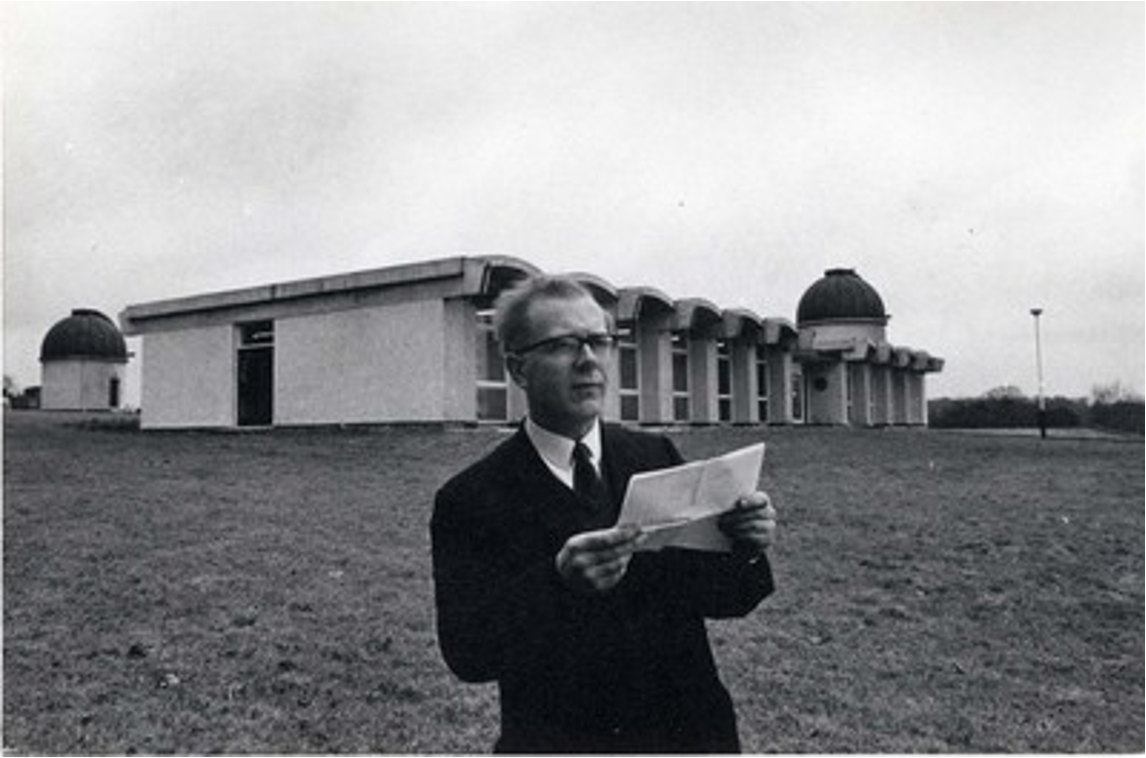
A fourth Observatory was established in the University’s Garscube Estate (Acre Road), under the leadership of Professor Sweet, and was inaugurated in 1969 by Professor Bruck, Astronomer Royal for Scotland. A Grubb-Parsons 20-inch (0.5m) telescope was installed but in 1984 it was moved to a site on the University’s Cochno Estate in the Kilpatrick Hills at an elevation of 150m (500 ft). A variety of telescopes have been housed in the main dome at Acre Road over the years and currently features a 16-inch Dall–Kirkham telescope, with a Rotarion remote turret, on a Paramount ME. Since the late 1990s radio telescopes have been added to the grounds, including a 3m radio dish for detecting the 21cm Hydrogen line, a 408MHz Yagi Pulsar, and a solar Callisto radio spectrometer covering 45 - 870 MHz.
Due to the closure of the University Gardens observatory in the 1960s, the Department of Astronomy’s offices moved to the top floor of the newly built, and nearby, Mathematics Building. With the development of astrophysics and convergence of overlapping interests between the Departments of Natural Philosophy and Astronomy, the new Chair of Astrophysics was created in 1984 and the joint Department of Physics and Astronomy in 1986. The Astronomy and Astrophysics group was formed in 1991 by the amalgamation of the Theoretical Astronomy and Plasma Physics groups, and by the mid-1990s moved to its current location in the top floor of the Kelvin Building, which is still the home of the School of Physics & Astronomy.
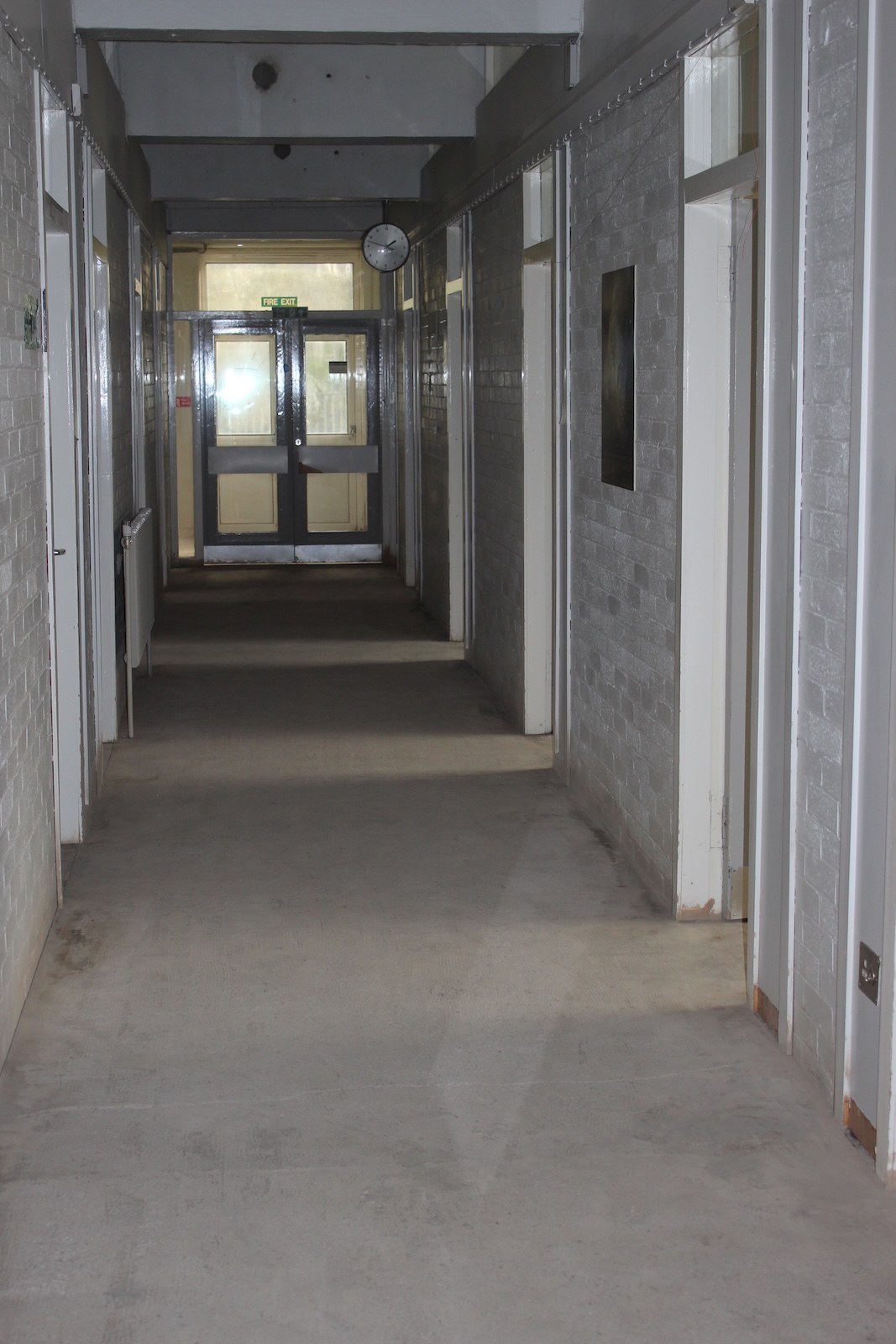
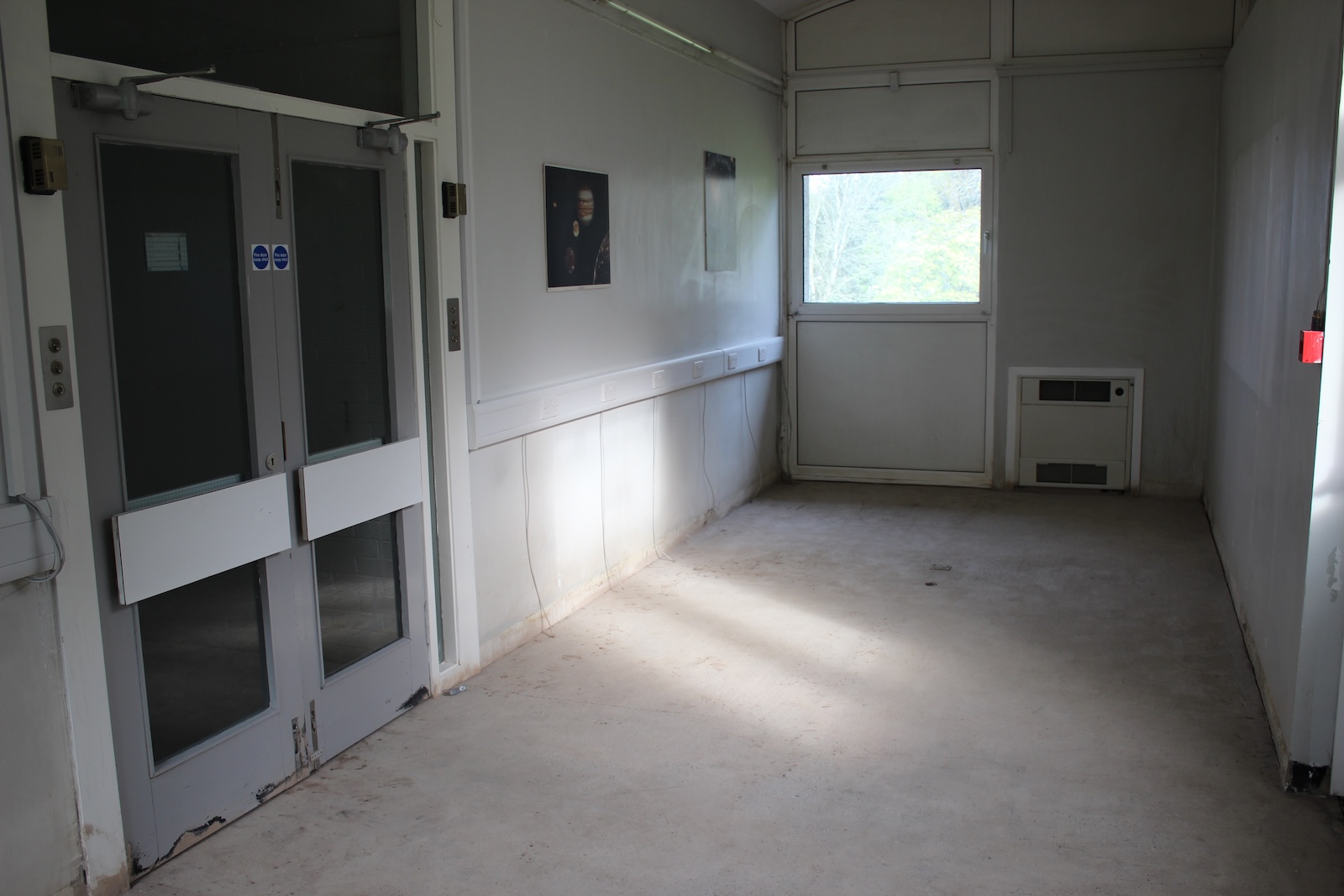
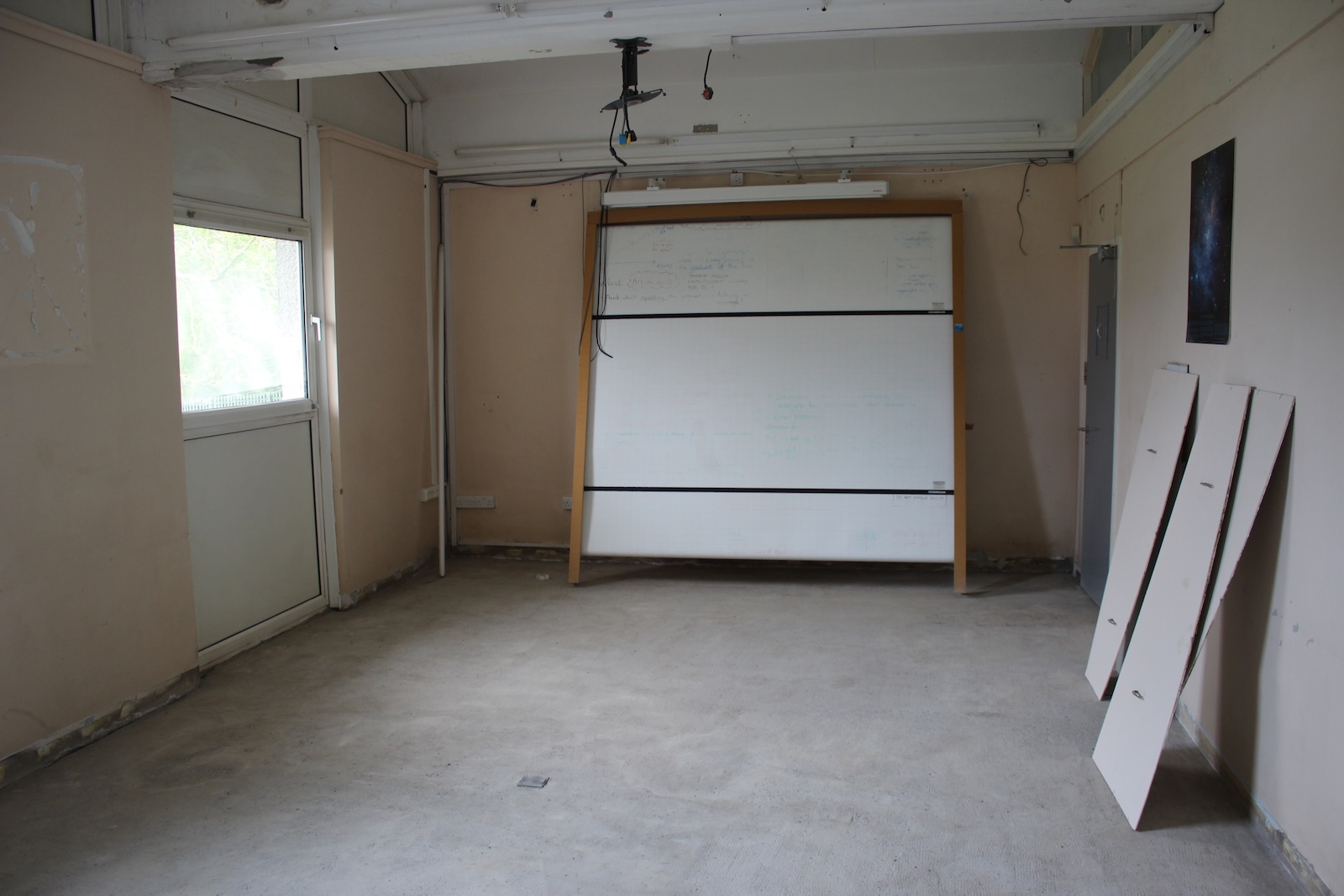
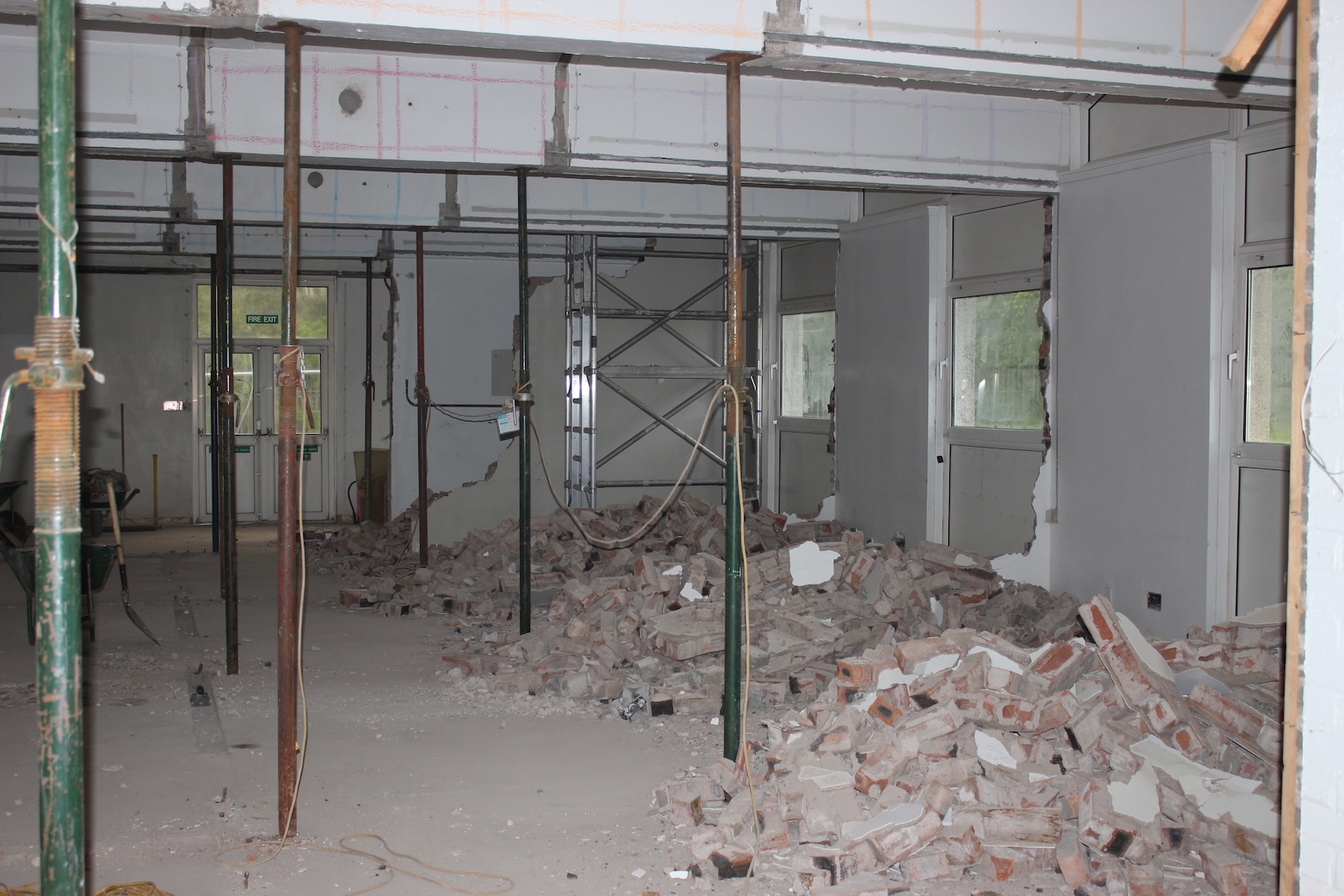
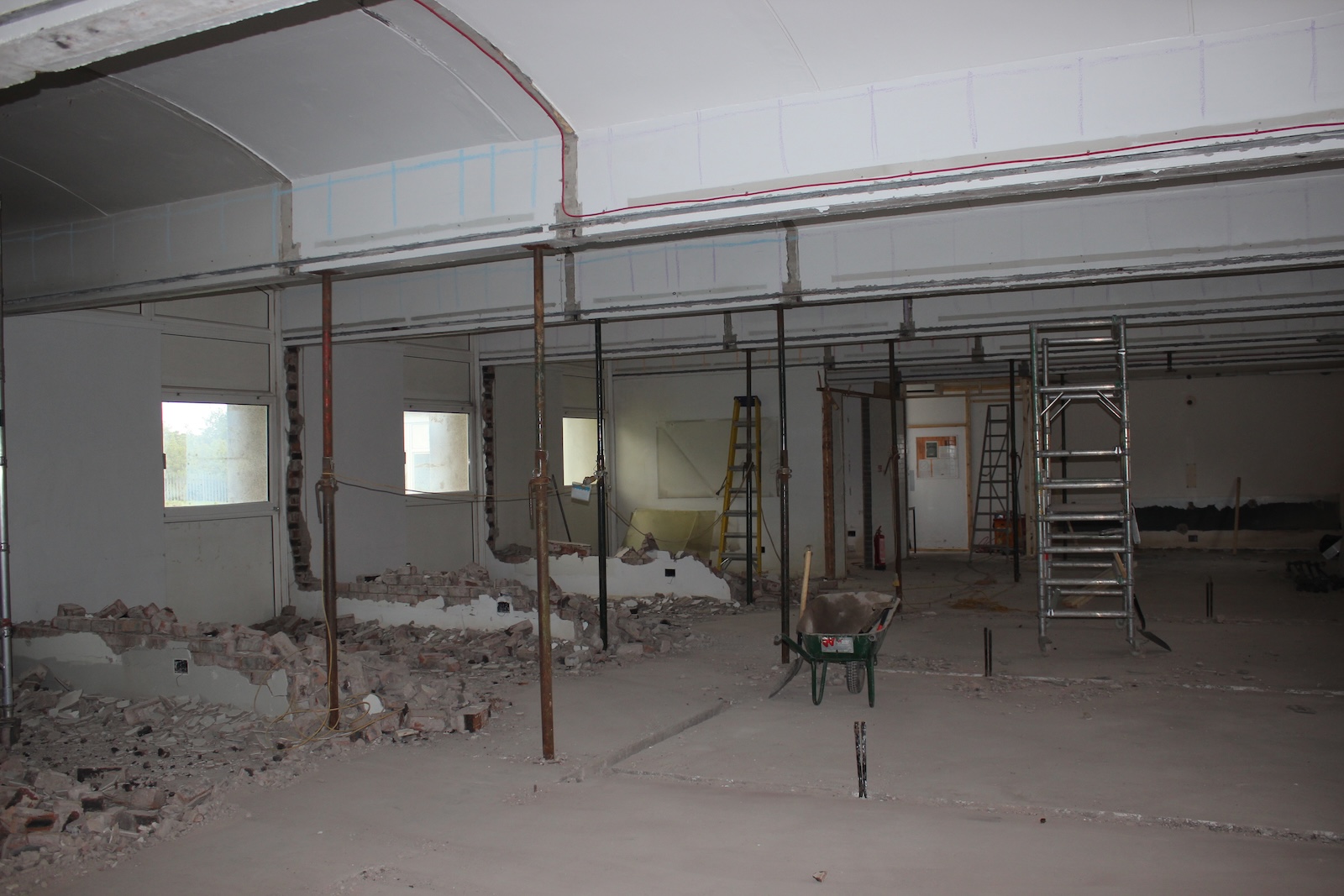
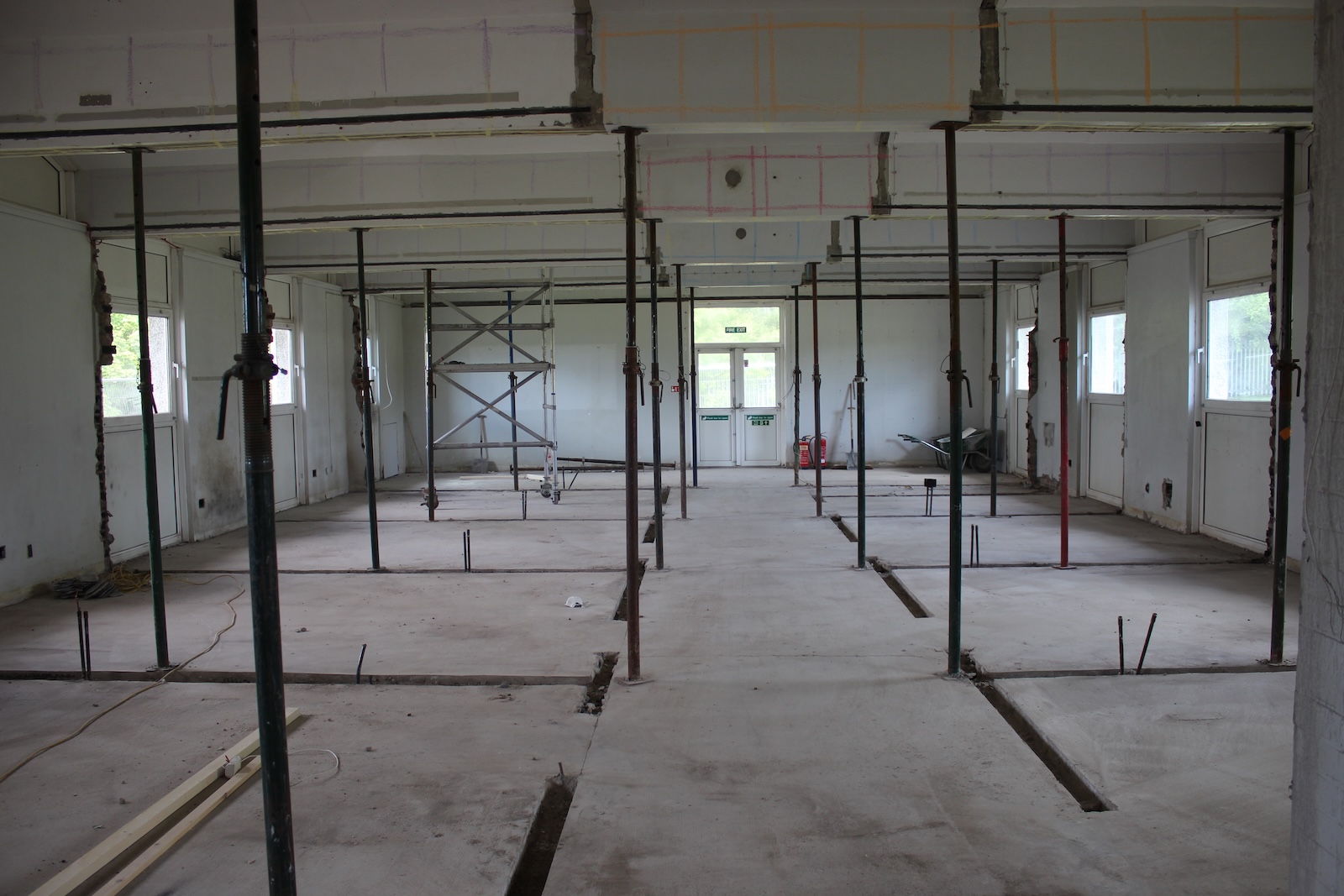
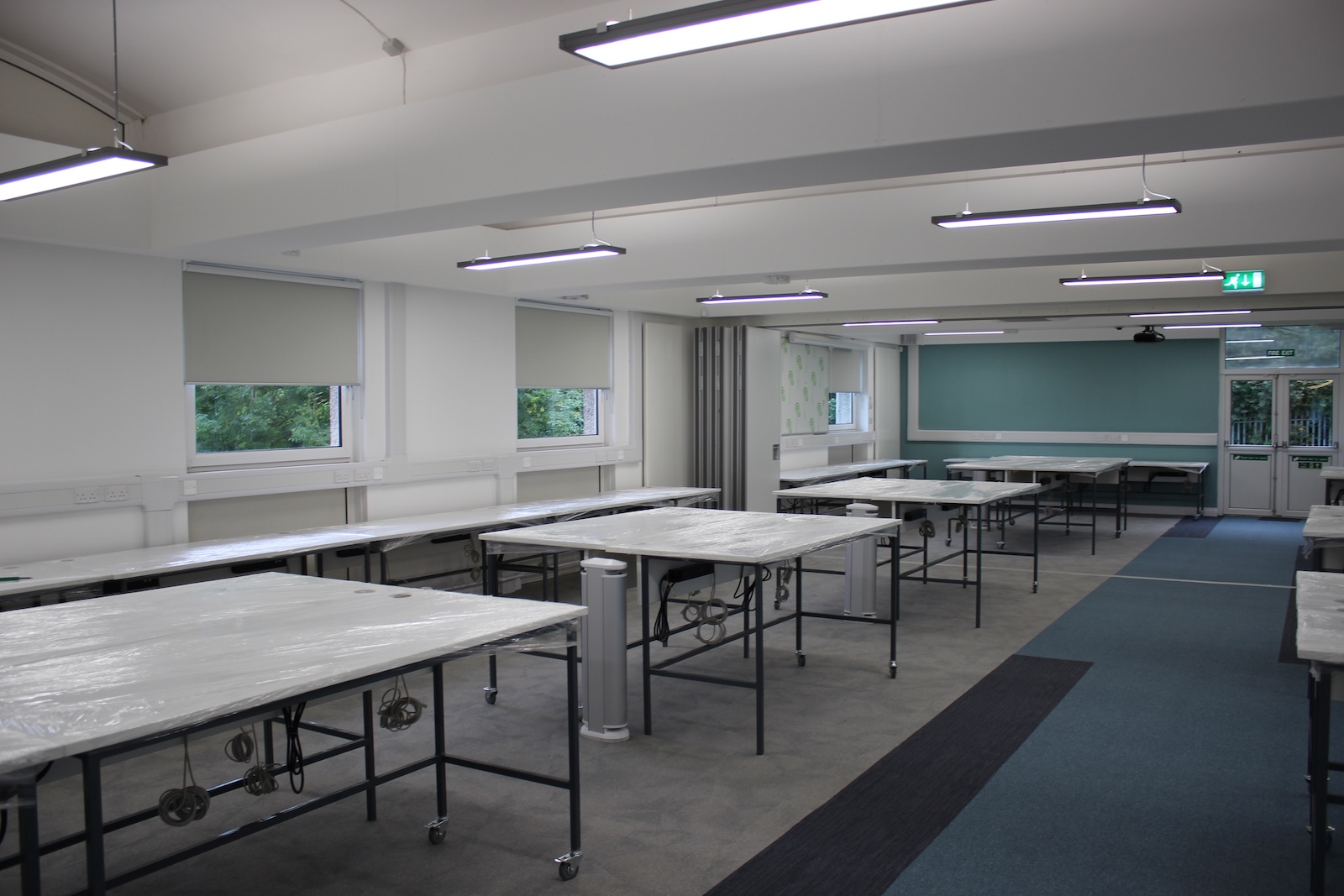
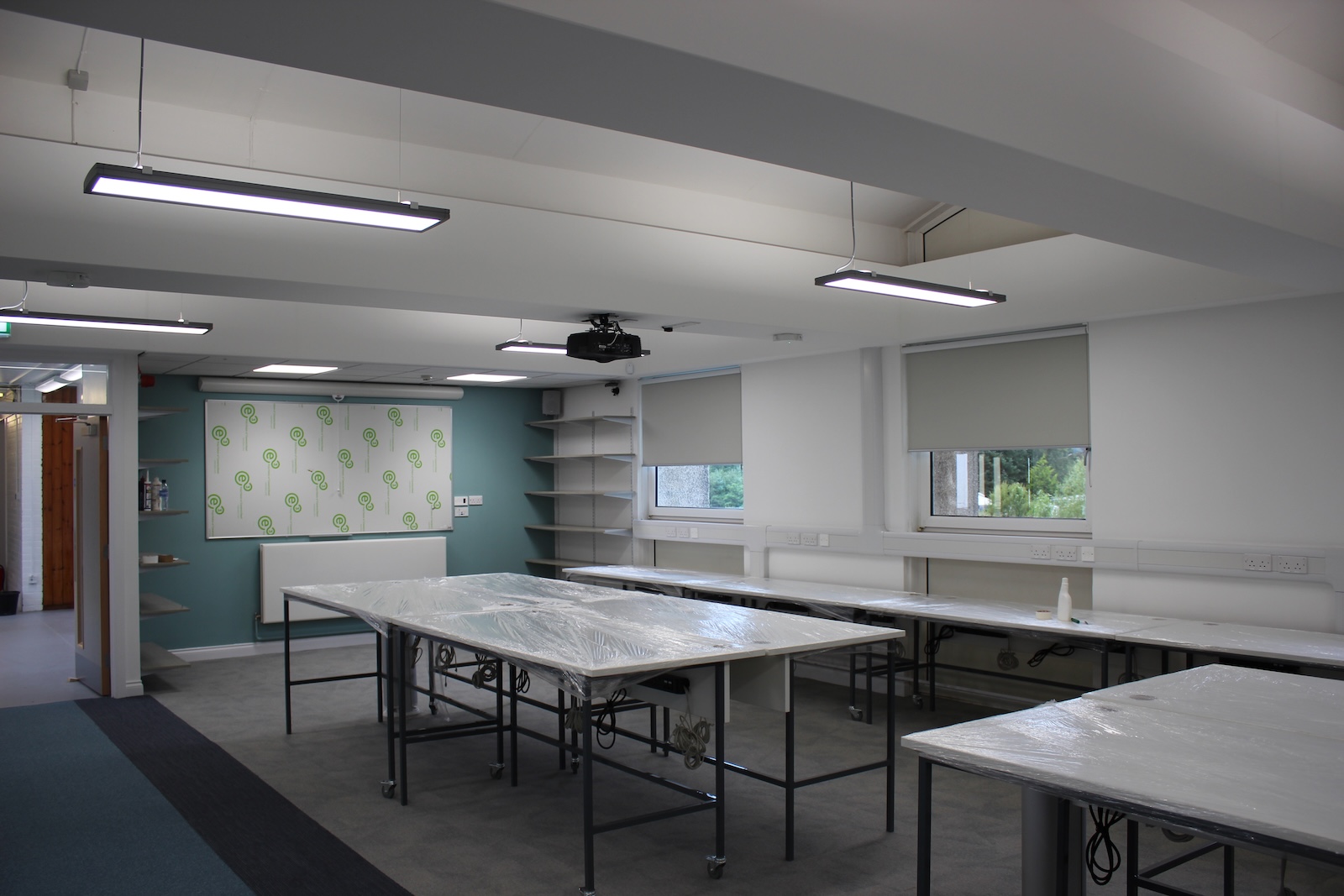
In the summer of 2015, the Garscube Observatory at Acre Road was refurbished, with separate offices and labs being merged into large flexible teaching spaces.
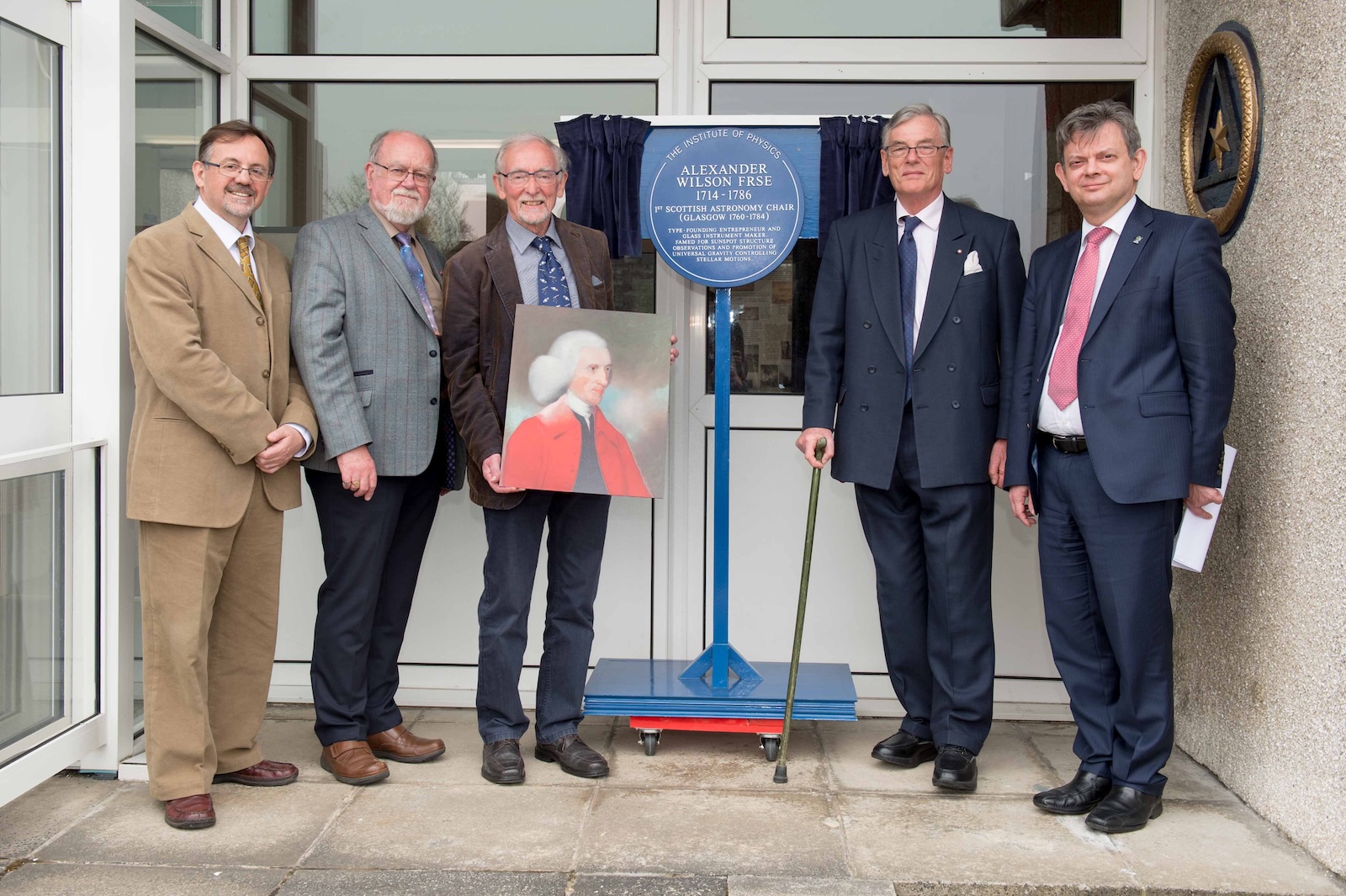
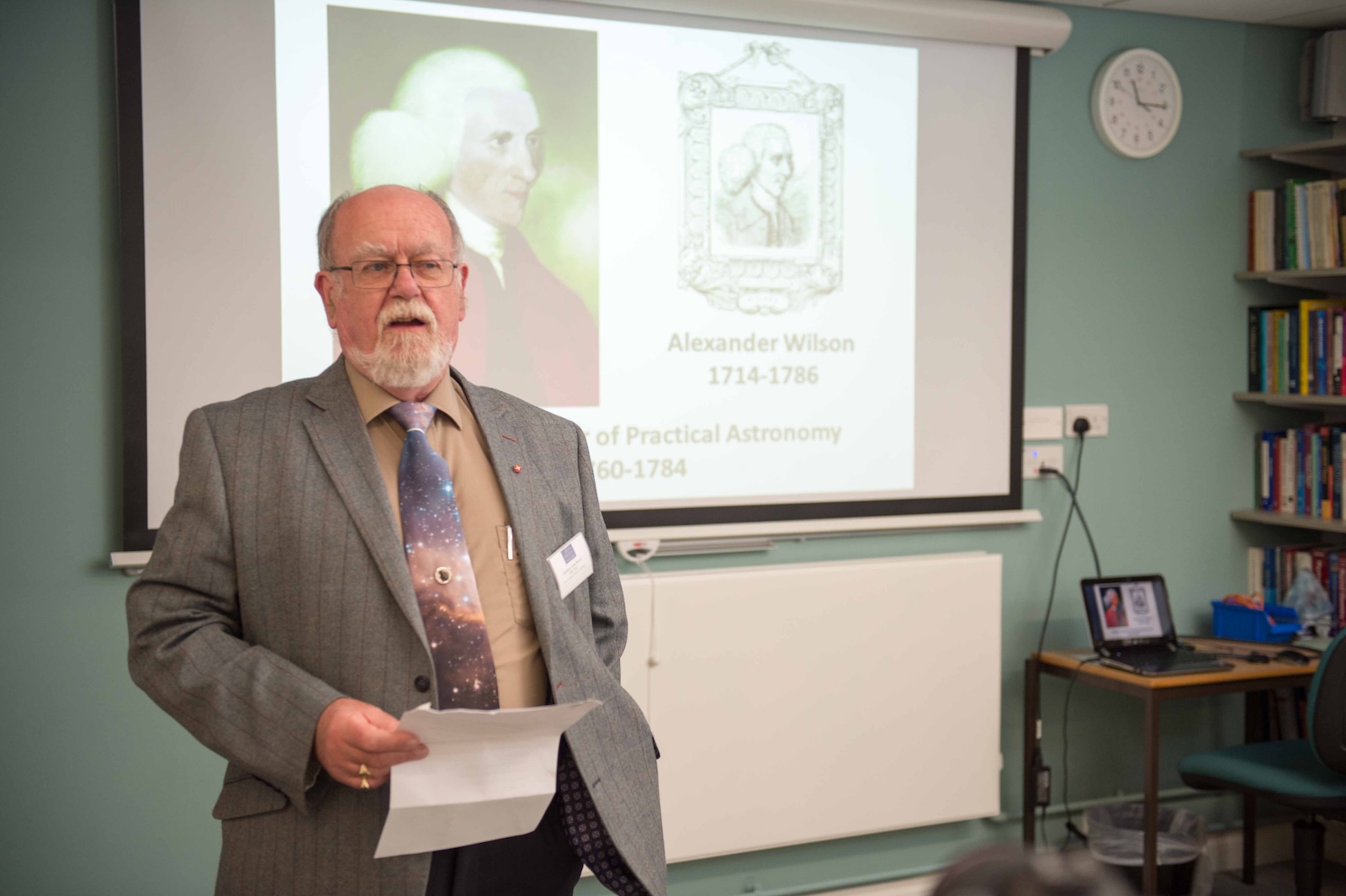
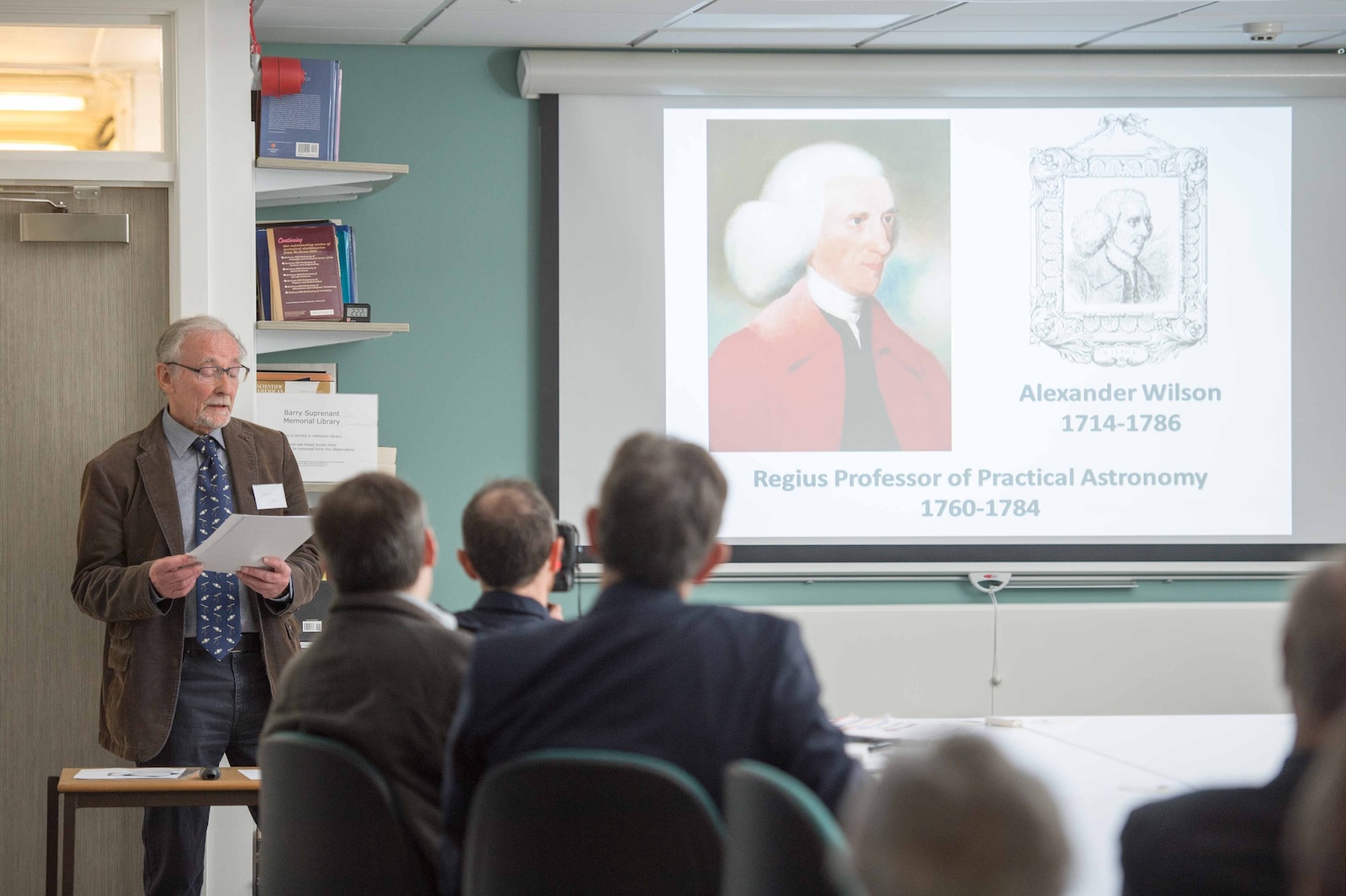
In 2017, an Institute of Physics Blue Plaque was unveiled at the observatory for Professor Alexander Wilson MD FRSE, the first Regius Chair of Astronomy at Glasgow (1760 - 1784). The ceremony was attended by the Astronomer for Scotland, Professor John C Brown OBE FRSE, University Principal and Vice-Chancellor, Professor Anton Muscatelli, former Reader and Director of University’s observatory, Dr. David Clarke FInstP as well as a descendant of Wilson, James Babington Smith and poet Rab Wilson. See the BBC News coverage of the unveiling.